

So What’s the Big Deal About Purebred Dogs Anyway?
Simple answer: Predictability.
When you choose a purebred dog, you’re choosing a known quantity. Want a lazy couch companion? Get a Frenchie. Need a hunting partner? Choose a gun dog. Running sheep? Get a Border Collie. These breeds exist because they were developed for specific purposes over generations.
Here’s what purebred actually means: Every dog traces back to its breed standard. This gives you predictability instead of genetic roulette. You can choose a dog that suits your lifestyle rather than gambling on whether your “small, friendly” puppy will grow into an aggressive, high-energy adult that doesn’t fit your life.

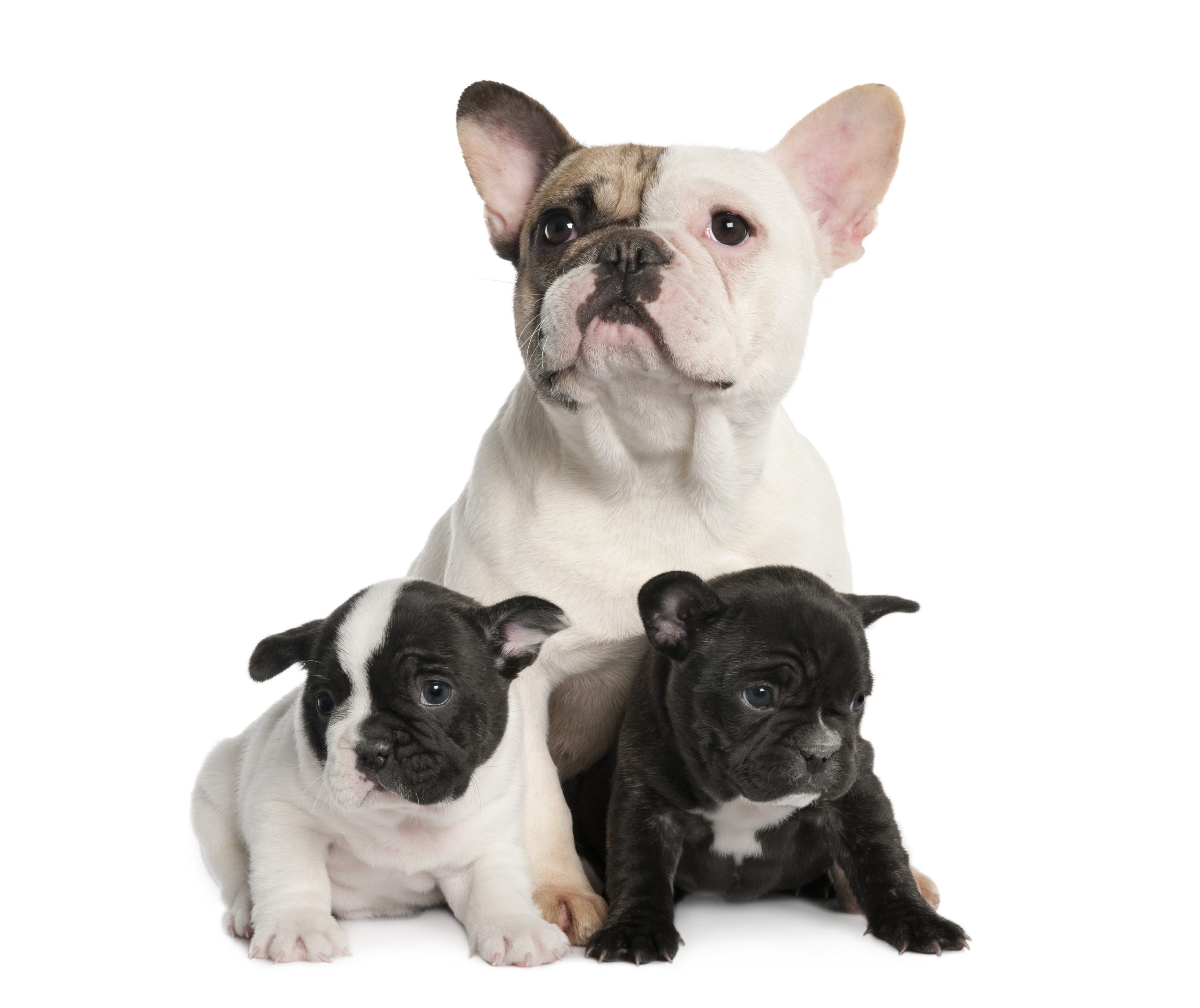
Why “Fanatical” Breeders Are the Best Thing for Frenchies
Ethical breeders are sometimes called “fanatical” — and with good reason. They spend years studying breed standards, genetics, and health testing. But they’re not just breeding dogs — they’re preserving over 120 years of careful selection to produce healthier dogs, generation by generation.
The alternative? A flood of unpredictable, poorly bred dogs ending up in shelters because they got “too big,” “too aggressive,” or “needed too much exercise.”
This isn’t hypothetical — it’s already happening.
Reality check: Purebred dogs from ethical breeders actually reduce shelter populations because:
- Buyers get what they expect, so fewer surrenders
- Ethical breeders provide lifetime support and take dogs back when owners can’t cope
- No “oops” litters from unplanned matings
Your Breeder Knows Your Dog Better Than Anyone
Including your vet. Your breeder understands the genetics behind your puppy, knows the family history, and can predict health and behaviour patterns that even experienced vets might miss. When something goes wrong, you want that expertise in your corner.
Backyard breeders and puppy farmers? They disappear after the sale. Good luck getting help when you need it.
The Crossbreed Reality Check
That cavoodle only exists because dedicated poodle breeders maintain the Poodle standard and Cavalier King Charles Spaniel breeders do the same for their breed. Labradoodles, schnoodles, or any other designer cross are a blend of two genetics. If ethical breeders stop preserving purebreds, there won’t be any genetics to create designer crossbreeds either.
Do we really want all dogs to become genetic grab bags with no predictable traits?
The NSW Reality – We’re Losing the Battle
There are only 20 ethical breeders left in NSW. These breeders love the breed and spend hundreds of dollars plus endless hours health testing their dogs and taking them to shows to evaluate their dogs against the breed standard (that’s basically why we have shows ).
But they’re being drowned out by profiteers flooding the market with badly constructed crossbreeds. Even our once hugely successful annual Shows are getting harder and harder to sustain.
Here’s the devastating part: Those sick crossbreed dogs are ending up in veterinary studies and health research being misrepresented as “French Bulldogs”—completely trashing the hard work and reputation of good breeders in NSW.
Our breeders’ response? They’ve stopped breeding anything except for genetic maintenance. Last year, our ethical breeders produced just 35 puppies total. As many of those 35 will have stayed with breeders for their future breeding program, it leaves precious few puppies available for families.
Breeding in NSW is Teetering on the Brink
But you can help.
Yes, it might take longer to find an ethically bred Frenchie — but it’s worth the wait. You can help by sticking with ethical breeders. Register with a responsible breeder and be prepared to wait.
This will start building confidence in our breeders. Once we know prospective owners are demonstrating real love and commitment to the breed, puppy numbers will lift—guaranteed.
The ball is in your court. Support ethical breeding or watch it disappear entirely.
Insider’s tip: Breeders see your club membership as evidence of breed commitment. While you’re waiting, join the club—you’ll stay informed and may jump the queue for a puppy too.
Not All Breeders Are Created Equal
Why Crossbreeds Damage the Breed
Simple truth: Every crossbreed sold as a “French Bulldog” weakens 120 years of careful genetic preservation.
- Genetic dilution: Crossbreeds lose the specific traits that make Frenchies unique
- Health unpredictability: Mixed genetics mean unknown health outcomes
- Consumer confusion: Buyers think they’re getting a Frenchie but aren’t
- Market erosion: Ethical breeders can’t compete with cheaper, inferior alternatives
Bottom line: A Frenchie cross is like calling a Honda Civic a Ferrari because it has four wheels.
The Questions That Separate Real Breeders from Puppy Producers
Your Power as a Buyer
Every dollar you spend is a vote. Support ethical breeders, and you strengthen the breed. Hand money to puppy farmers, and you fuel the next litter of suffering.
Questions protect you, your future dog, and the breed itself. Don’t be embarrassed to ask. Any breeder who won’t answer these questions thoroughly isn’t worth your money or trust.
Remember: A good breeder wants you to ask questions. They’re as invested in finding the right home as you are in finding the right dog. They may even ask you to sign a Sales Agreement which requires a commitment from you. Don’t be surprised to find a clause like this:
“NO [KENNEL NAME] FRENCHIE SHOULD EVER BE SURRENDED TO A POUND OR SHELTER.”
“If for any reason, you are forced (or want) to surrender your [Kennel name] Frenchie, at any stage in their life, and you find yourself unable to provide stability to your Frenchie you agree to reach out to us and let the [Kennel name] crew manage any temporary or permanent foster care, as well as ensure their health and safety needs are met, and that they are in a loving and nurturing environment to help smooth any trauma or transition.”
The French Bulldog Club of NSW connects you with breeders
who welcome your questions and exceed these standards.
Because your Frenchie deserves better than “good enough.”
